Foreign Body in the Eye

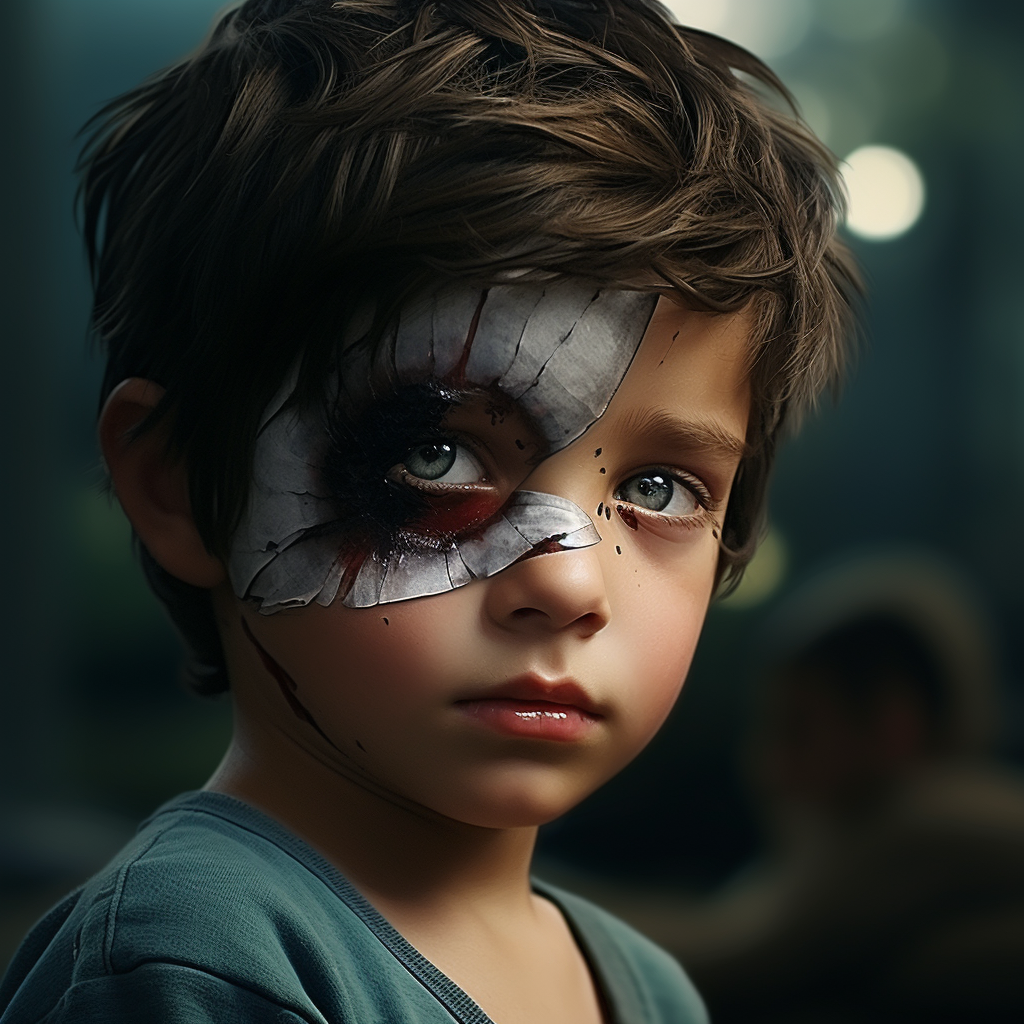
Often, foreign bodies that get into a child’s eye are harmless, such as sand or crumbs. It’s uncomfortable for the child, and the eye may water.
Sharp objects like pens, toothpicks, or similar items are more dangerous.

Actions:

  • Stay calm and reassure the child.
  • Ask your child or a third party about how the accident happened.

Harmless Foreign Body in the Lower Eyelid:

  • Pull the lower lid down and remove the object using a moist cotton swab or the tip of a tissue. Do not rub.

Harmless Foreign Body in the Upper Eyelid:

  • Gently grab the upper eyelid by the lashes and pull it over the lower eyelid. The foreign body will usually get caught on the lower lid as the upper lid slides back.

If the foreign body does not come out, visit the nearest pediatrician, hospital, or call emergency services (112).

Dangerous Foreign Bodies:

  • If a foreign body is lodged in the eyeball, do not attempt to remove it yourself. Immediately visit a pediatrician, ophthalmologist, or hospital, or call emergency services (112).

Foreign Body in the Nose or Ear

Actions:

  • Stay calm and reassure the child.
  • Attempting to remove the object yourself may push it further into the nose or ear canal.

Visit the nearest pediatrician, ENT specialist, or hospital.

Similar Posts

  • |

    Insect Stings / Tick Bites

    Caution!Insect venom can cause allergic reactions. If the sting swells more than usual or if hives (red skin spots) form, this could be a sign of an allergic reaction.If the child has difficulty breathing, collapses, or starts vomiting, immediately call emergency services (112). Ticks can transmit dangerous pathogens. Often, the tick bite is not noticed…

  • |

    Poisoning

    Poison Control Centers – Emergency Poisoning HotlineIn Germany, the Poison Control Centers are available 24 hours a day for acute poisoning cases: BerlinCharité Poisoning Hotline / Poisoning Advisory ServiceTel.: 030-19240 BonnPoison Information Center North Rhine-Westphalia / Poison Control Center BonnChildren’s Medicine Center, University Hospital BonnTel.: 0228-19240 ErfurtJoint Poison Information Center for the states of Mecklenburg-Vorpommern,…

  • |

    Wounds

    When a child sustains a wound, it is important to treat it promptly and properly to avoid infections and complications. Here’s how to manage various types of wounds: Types of Wounds: Abrasion (Scrapes) Scratch and Bite Wounds Cuts (Lacerations) Gashes or Tears General First Aid Measures: Specific Wound Types and Treatments: Severed Body Parts (Amputations):…

  • |

    Electrical Accidents

    Depending on the strength of the current and the duration of exposure, the consequences of an electrical accident can vary.Contact with electricity can lead to shortness of breath, chest spasms, anxiety, restlessness, and sweating. These symptoms often subside after the event.With higher current intensities, burns to the skin can also occur.Muscle spasms may prevent the…

  • |

    Heat Injuries

    First-Degree Burns The skin is red, similar to a sunburn. The child experiences severe pain. Second-Degree Burns The burned skin is red and forms blisters filled with fluid. The child experiences severe pain. Third-Degree Burns The skin turns snow-white or bluish-black. The child no longer feels pain because the skin nerves have been destroyed. Scalds…